
The Motorola Nexus 6 came at a strange time. Google experienced just sold off the Motorola division to Lenovo months before and the smartphone globe was in an unexpected transition to 64-little bit processors. Also, flagship charges ended up on the increase, anything Google attempted to combat with the affordable Nexus 4 and 5, but this phone was distinct.
With the Nexus 6, Google attempted to make a high-quality product and in many respects, it succeeded. Having said that, the $650 rate tag for the 32GB model did not sit correctly with many Nexus admirers and the larger 5.96 exhibits experienced its detractors as properly. This was significant even by the phablet benchmarks of 2014.
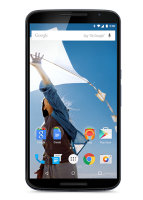
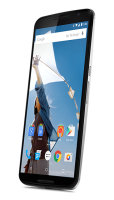
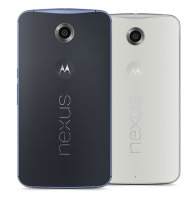
Motorola Nexus 6
The display had QHD resolution, 1,440 x 2,560px, and was an AMOLED panel – a return to form for the Nexus series, which made its debut with AMOLED. The display was bright and colorful and its high pixel count made up for the PenTile arrangement.
Surrounding the screen were two front-facing speakers, something that would later become standard on Pixel phones. Same goes for the water resistance.
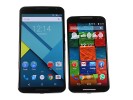
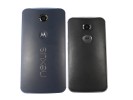
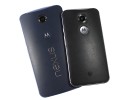
Nexus 6 and Moto X (2nd Gen)
The Moto X (2nd gen) served as the foundation for the Nexus 6 layout, but could not contend with it instantly its 5.2 AMOLED screen was smaller and the Snapdragon 801 chipset was reduce than what the Google telephone was presenting.
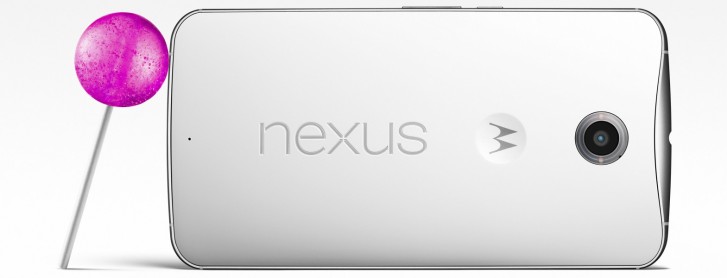
It arrived with a Snapdragon 805, the very last of Qualcomm’s flagship 32-bit chips. This was a bit awkward as Android 5. Lollipop the OS that was released by the Nexus 6 was initially to assist 64-bit processors.
Of training course, Qualcomm (seeing Apple’s 64-bit CPU in the Apple iPhone 5s from 2013) rushed out the Snapdragon 808 and 810 with 64-little bit assistance, but we’re happy that the Nexus 6 missed out on them.
In any case, the chipset was nevertheless really rapid and it had an amazing function, the Hexagon DSP. It authorized Google to build its initially HDR+ method, which took many short exposures, picked the finest kinds, and merged them into a solitary large-excellent graphic.
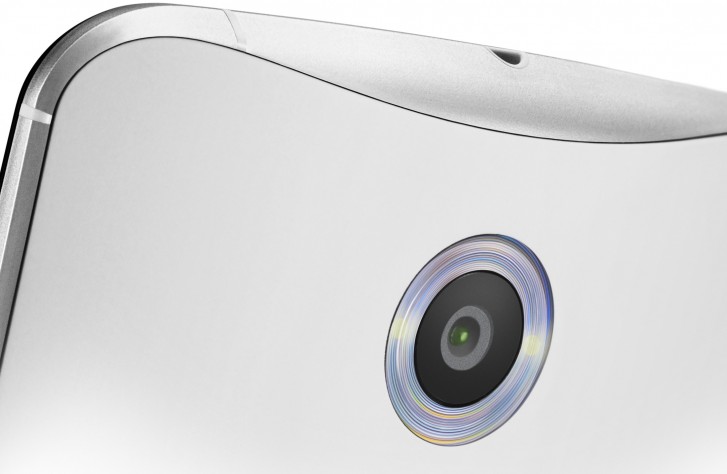
The Nexus 6 hardware gave Google’s algorithm a great platform to operate on with a 13MP sensor with rather substantial 1.4µm pixels. It showcased optical impression stabilization, the lens experienced an f/2. aperture and was surrounded by a rare ring flash (with only two LEDs, but continue to).
Traditionally, Nexus telephones did not have the greatest cameras, but the 6 changed that it had one particular of the ideal cameras of 2014. With the energy of the S805 chipset, it was also the 1st in the sequence to guidance 4K video clip seize, which manufactured films with superb excellent.
The Google telephones didn’t have the very best battery life possible and, yet again, the Nexus 6 justified its bigger cost stage with top-quality effectiveness. The 3,220 mAh battery secured a 70h Stamina ranking in our examination near to double the Nexus 5 score, but not as excellent as the 90h posted by the Samsung Galaxy Be aware 4, which had the same battery potential.
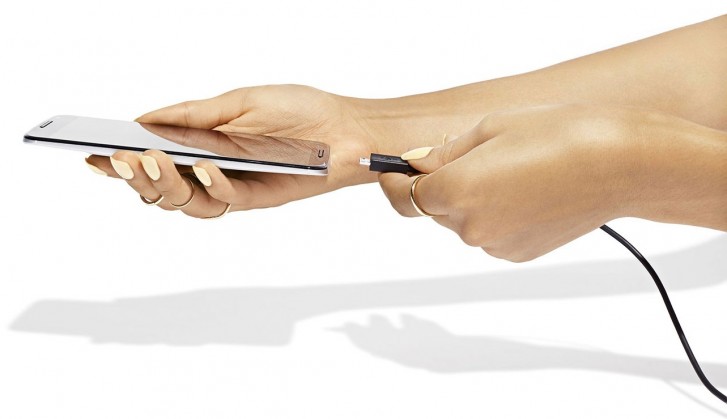
The bundled Motorola Turbo Charger (primarily based on Qualcomm’s Fast Demand 2.) was absolutely a perk. The official promise was that 15 minutes of charging equates to 8 hrs of mixed-use. We put that to the examination, plugging in the cellular phone at 9% and 15 minutes later observed it at 30%, really more than enough to past the advertised 8 hours.
The cellular phone also supported Qi wi-fi charging, one thing pioneered by the Nexus 4, but deserted by the 5X and 6P that adopted.
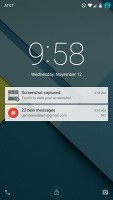
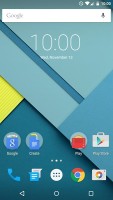
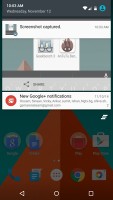
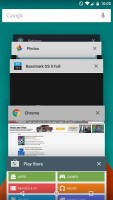
Lollipop’s new Content design and style
Lollipop changed Android. It mentioned goodbye to Dalvik and pre-compiled its apps with Artwork (an aspect of why the Nexus 6 was so quickly). It released Project Volta, to restrict the electric power drain from background responsibilities. And it dropped the AMOLED-helpful Holo UI in favor of the vivid Substance structure.
And the Nexus 6 modified Google too. It was likely the very best Nexus telephone at any time introduced, but also the most high-priced it released at $650, the Nexus 6P that adopted it at $500 (even though Google explained P stands for Premium).
But with Motorola bought off and Nexus income low, Google determined to eliminate the line and get started anew with the Pixel phones like the Nexus 6 they had been highly-priced and promised to make up for it with a wonderful camera.